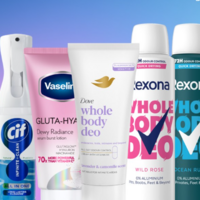


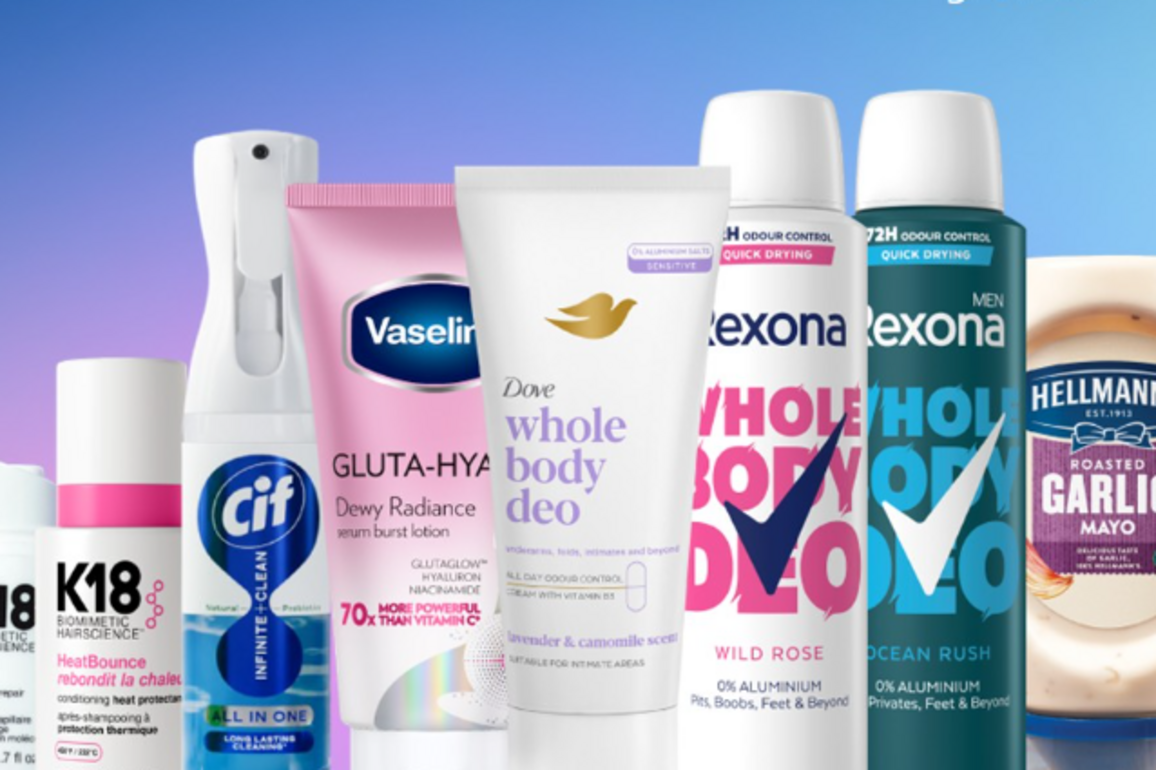
LONDON, U.K.: Unilever is preparing to introduce gradual price increases across parts of its business as rising costs linked to the Iran war put pressure on margins, even as the consumer goods giant reported stronger-than-expected sales growth.
The maker of Dove soap and Axe deodorant said it would respond to higher input costs with selective, measured price hikes while keeping its full-year sales and profit margin outlook unchanged. The company signaled confidence in its ability to navigate a challenging economic environment marked by inflation and supply disruptions.
Unilever expects total cost inflation of between 750 million and 900 million euros this year, driven by higher logistics, raw material, and manufacturing expenses.
"That will be about 350 to 500 million euros higher than our prior expectations when we began the year," finance chief Srinivas Phatak said.
"There will be frequent price increases but in small doses," Phatak said on an analyst call. He added that if cost pressures persist, prices could rise toward the upper end of a two percent to three percent range.
The planned increases will be targeted, focusing on specific markets and product categories, particularly home care items that are more exposed to oil price fluctuations. Phatak said the largest adjustments are expected in parts of Asia, Africa, and Latin America, where inflation has been more pronounced, while North America is likely to see more limited impact.
"It will be calibrated, and it will be done in a competitive manner," he said.
The strategy reflects a balancing act for consumer goods companies, which are facing one of the toughest cost environments in years due to rising commodity prices and disruptions caused by the conflict in the Middle East. According to a Reuters review, at least 36 companies have indicated plans to raise prices since the war began.
Analysts say there are limits to how much companies can pass on to consumers.
"They're constrained in several markets, particularly developed markets in Europe," said Chris Beckett, a consumer staples analyst at Quilter Cheviot. "There are limits to what they can do - it's not easy to take pricing."
Despite the cost pressures, Unilever reported underlying sales growth of 3.8 percent in the first quarter, ahead of analysts' expectations of 3.6 percent. The increase was driven largely by higher volumes, especially in its beauty and home care divisions, marking a shift away from the price-led growth seen in recent years.
"We have started the year well with volume-led growth driven by our Power Brands and a positive performance across all Business Groups," CEO Fernando Fernandez said.
The company has been working to rebuild consumer trust after steep price increases in recent years pushed some shoppers toward cheaper alternatives. It is now focusing more on innovation and marketing to support demand.
Unilever is also continuing a broader restructuring under Fernandez, who became CEO last year, including a shift toward higher-margin personal care and beauty products after spinning off its ice cream business and planning changes to its food division.