

NEW DELHI, India: On the heels of the U.S. Supreme Court ruling on Donald Trump's tariffs and the subsequent 15 percent tariffs imposed globally by the president, India postponed a trade delegation's visit to Washington on February 22.
It was one of the first concrete reactions from an Asian nation following Trump's move over the weekend to impose a temporary 15 percent tariff, the maximum allowed by law, on U.S. imports from all countries.
"The decision to defer the visit was taken after discussions between officials of the two countries," said the source, who sought anonymity as the matter is a sensitive one. "No new date for the visit has been decided."
The delegation was scheduled to leave on February 22 to complete an interim trade deal. This came after both countries agreed on a plan for Washington to reduce the 25 percent tariffs on some Indian exports, which were linked to India's purchases of Russian oil.
Under the plan, U.S. tariffs on Indian goods would be lowered to 18 percent. In return, India agreed to buy US$500 billion worth of U.S. products over five years, including energy supplies, aircraft and parts, precious metals, and technology products.
India's trade ministry said it was reviewing the impact of the court ruling and subsequent U.S. announcements.
Last week, Trade Minister Piyush Goyal said the temporary trade deal could begin in April, once remaining issues are settled during the delegation's visit to Washington.
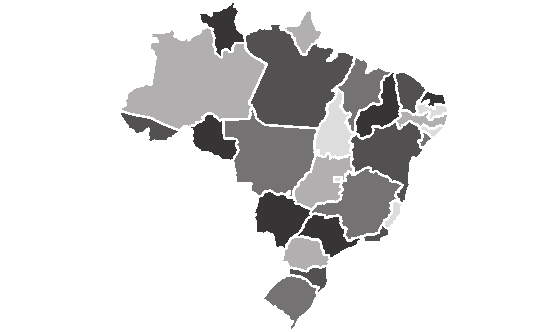
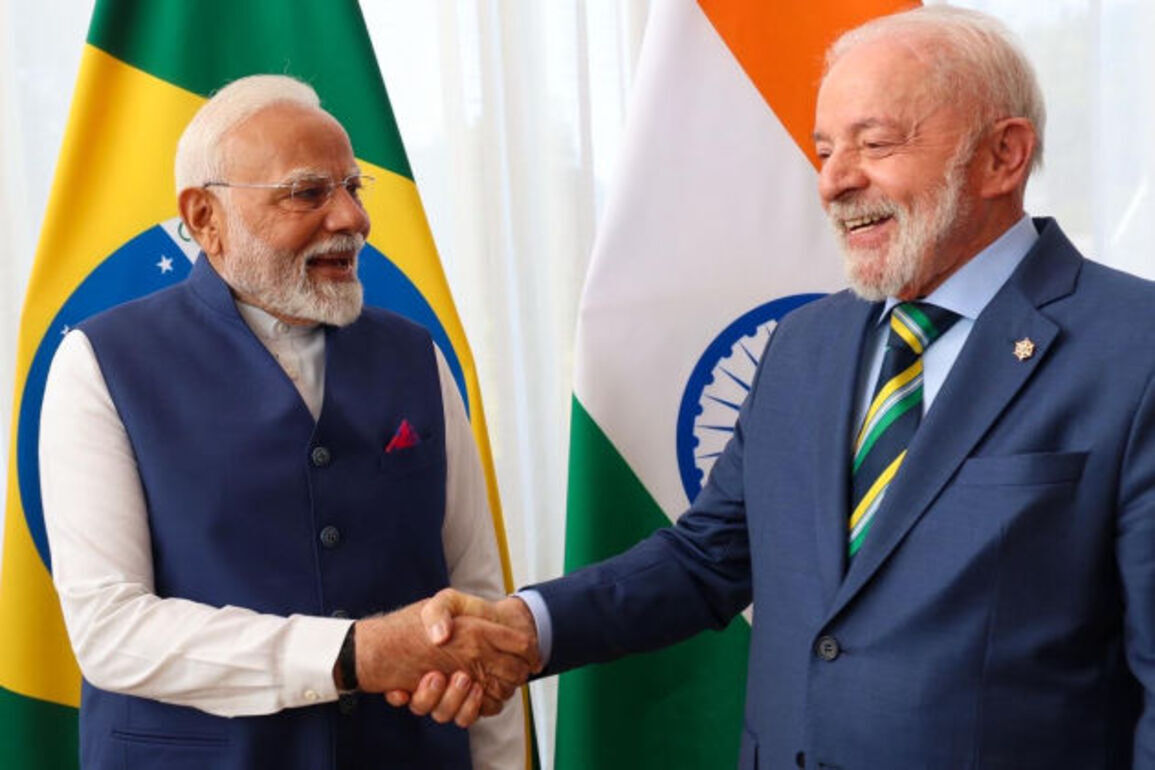
At the same time, India worked to strengthen trade ties with Brazil. Over the weekend, the two countries signed an agreement to increase cooperation in mining and minerals. India wants to meet the growing domestic demand for steel and expand production amid rising global competition for raw materials.
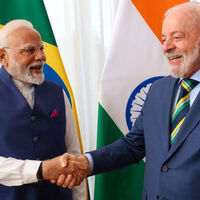
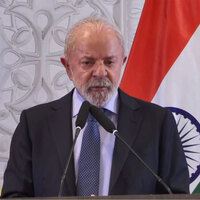
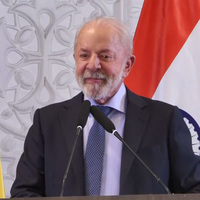
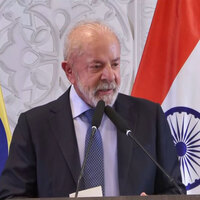
The agreement was signed in the presence of Prime Minister Narendra Modi and Brazilian President Luiz Inacio Lula da Silva, who visited New Delhi for three days last week.
Brazil is one of the world's leading producers of iron ore and has large reserves of minerals needed to make steel. Closer ties are expected to help India secure the raw materials and technology it needs for long-term growth in its steel industry, according to the Indian government.