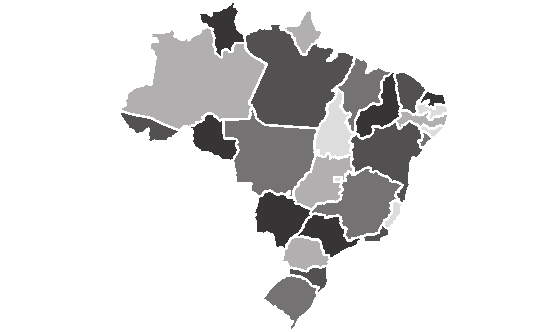


(Sao Paulo) - Brazilian authorities should adopt new public security strategies that dismantle criminal organizations and their alleged links with state agents, enhance independent criminal investigations, and spur reforms to make police more effective at upholding the law, Human Rights Watch said today in its World Report 2026.
In the 529-page World Report 2026, its 36th edition, Human Rights Watch reviews human rights practices inmore than100 countries. In his introductory essay, Executive Director Philippe Bolopion writes that breaking the authoritarian wave sweeping the world is the challenge of a generation. With the human rights system under unprecedented threat from the Trump administration and other global powers, Bolopion calls on rights-respecting democracies and civil society to build a strategic alliance to defend fundamental freedoms.
Brazilians cited violence as their main concern in recent polls, and security is expected to be a major issue in the electoral campaign for president, governors, and legislators, who will be elected in October.
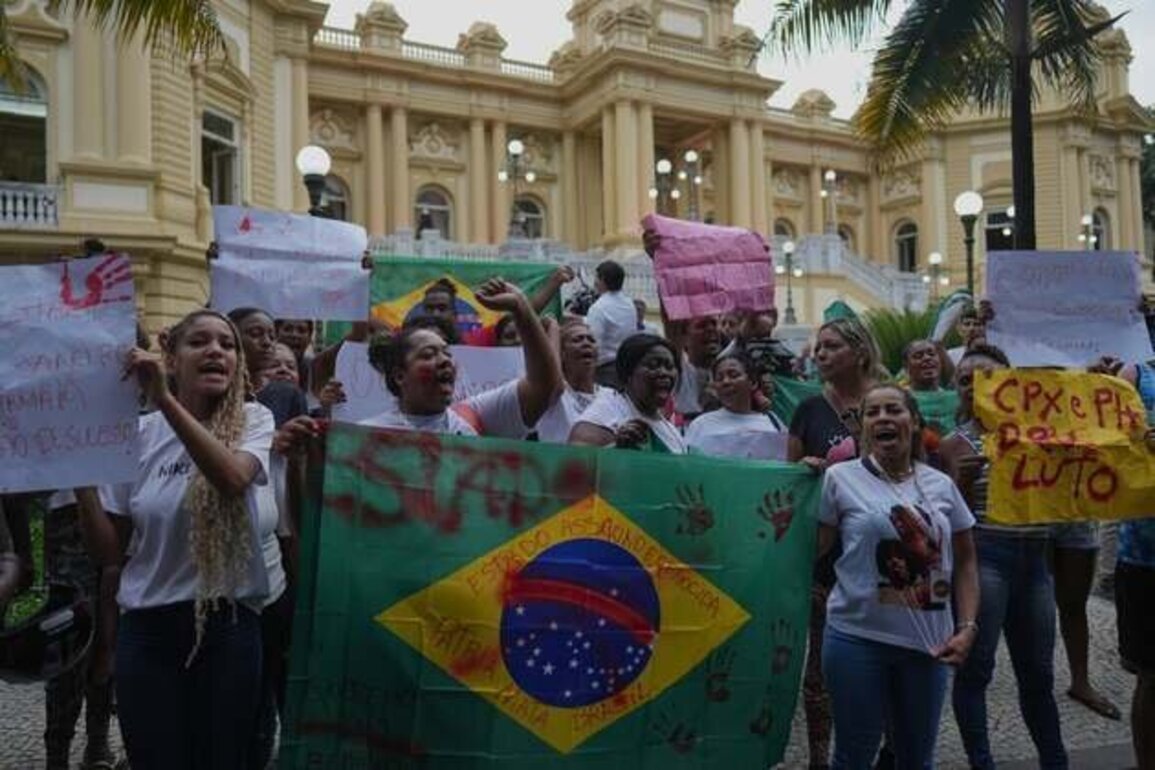
"Public security strategies based on unchecked use of lethal force by police have failed again and again to make Brazilian neighborhoods safer, and instead have resulted in more violence and insecurity," said Cesar Munoz, Brazil director at Human Rights Watch. "Candidates in the upcoming elections should put forward proposals to effectively protect people's rights, which are threatened by organized crime but also by police in many low-income, predominantly Black communities."
Candidates should put forward security and justice proposals grounded on human rights and scientific evidence that improve coordination between federal and state agencies, and target arms trafficking, money laundering, and criminal organizations' income streams, Human Rights Watch said.
Source: Human Rights Watch