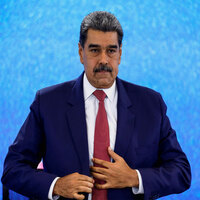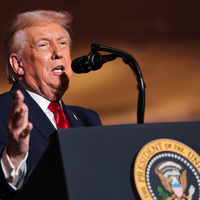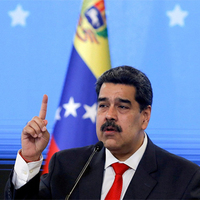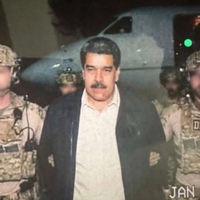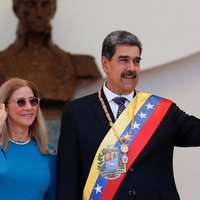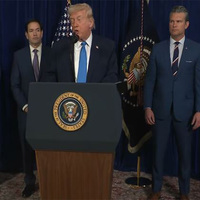


U.S. forces have reportedly arrested Venezuelan President Nicols Maduro and his wife, Cilia Flores, to face criminal charges in the United States, Secretary of State Marco Rubio confirmed. According to Rubio, the pre-dawn operation was designed to protect U.S. personnel executing the arrest warrant and no further military actions are anticipated. He indicated that the mission falls within President Donald Trump's constitutional authority under Article II to safeguard American personnel from imminent threats.
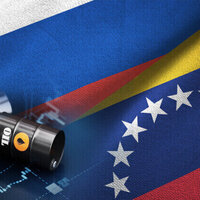
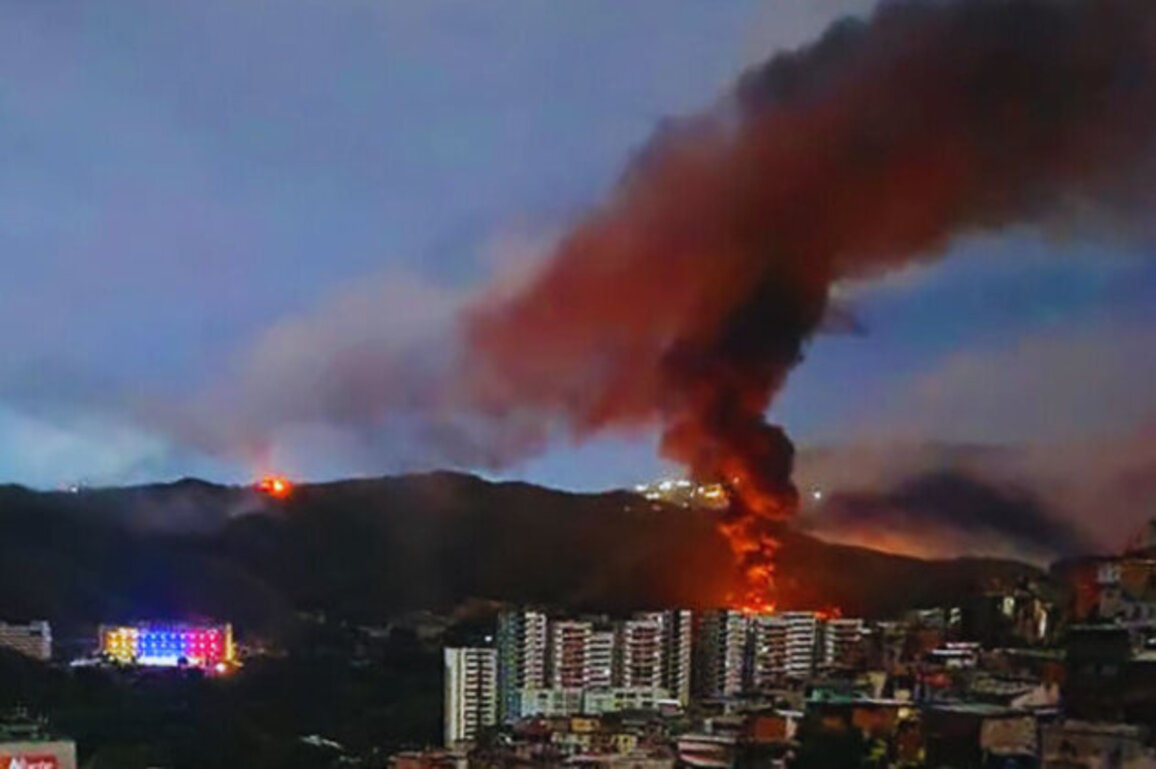
The operation involved strikes on at least four sites in and around Caracas. Targets included the port of La Guaira in Miranda state, the Francisco Miranda ?La Carlota? airbase in the capital, Fuerte Tiuna military base, and the El Volcn signal antenna. Venezuelan authorities reported casualties among military personnel and civilians, though exact numbers have not been confirmed. One oil tanker destined for Venezuela diverted to Nigeria following the attacks, while four others remain stationary.
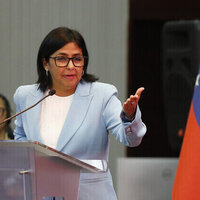
In response, Venezuela's Defense Minister announced an immediate nationwide deployment of military forces. Vice President of Venezuela demanded proof of life for Maduro, whose current whereabouts remain unclear. Neighboring Colombia has reinforced its border security in anticipation of potential refugee flows, while Trinidad and Tobago clarified that it did not take part in the operations. Sources within the Venezuelan opposition suggested that Maduro's capture may have been a negotiated exit, raising speculation that he could be transferred to Moscow or Minsk.
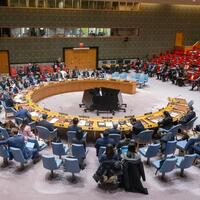
International reactions have been swift. Russia's Foreign Ministry condemned the U.S. strikes as ?armed aggression,? urging restraint and dialogue, and supported Venezuela's call for an urgent UN Security Council meeting. Iran's Supreme Leader Ali Khamenei stated that Tehran ?will not yield to the enemy? in apparent response to Trump's announcement.
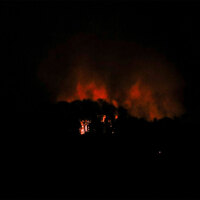
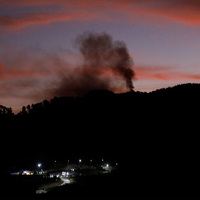
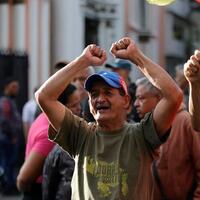
The Venezuelan government denounced the U.S. actions as a 'serious act of military aggression? threatening Latin American stability and called on citizens to resist. Caracas and the states of Miranda, La Guaira, and Aragua were reportedly struck by air raids, with explosions and aircraft heard across the capital. Caracas eyewitnesses described smoke and fires rising from multiple areas, including residences linked to the Maduro regime. Venezuelan officials accused the U.S. of seeking to seize control over the country's oil and mineral resources and appealed to the international community to condemn what they called a breach of international law.
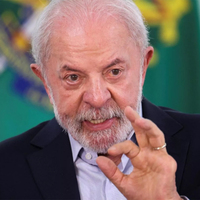
Colombian President Gustavo Petro called for an immediate emergency meeting of the UN Security Council, stressing that Venezuela is under attack. The operation marks the most significant U.S. military action in Latin America in decades, signaling a dramatic escalation in tensions between Washington and Caracas.