

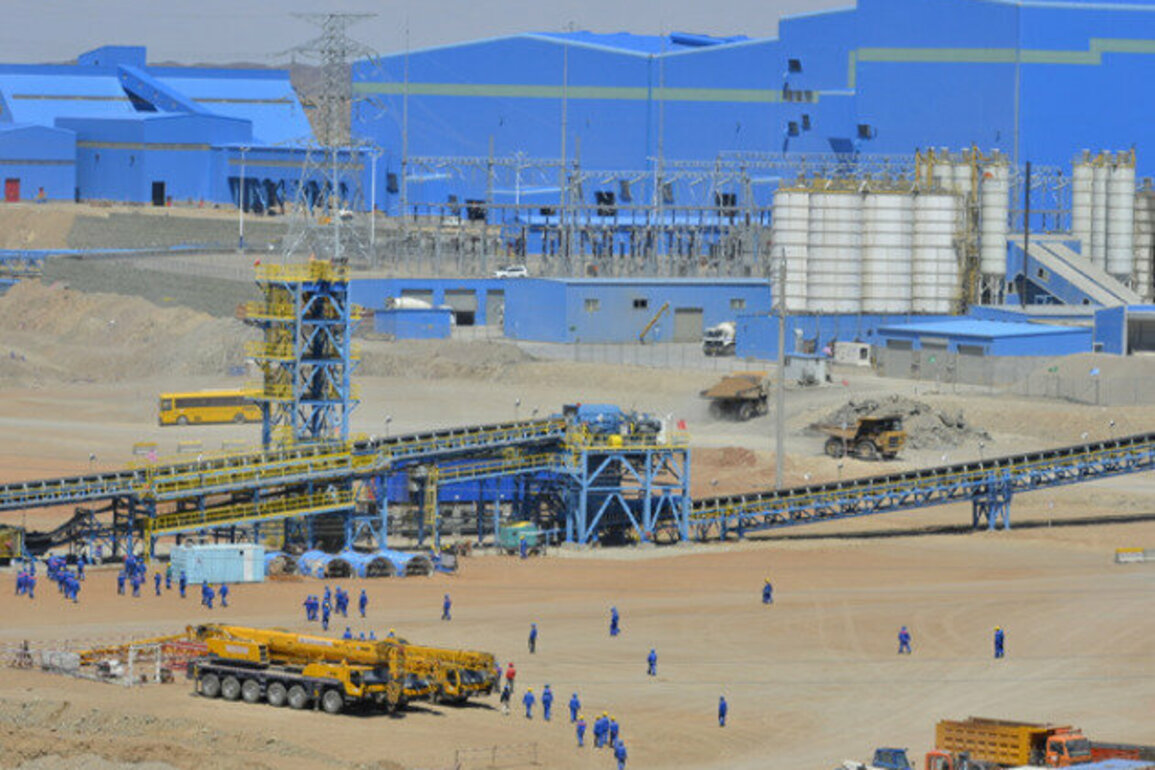
Rio Tintos Oyu Tolgoi mine reveals how ethical investment rings hollow when profits trump people and planet, writesCaitlin DanielandJulio Castor Achmadi.
THIS SUMMER, mining giantRioTintoagreed to aUS$139 million(AU$211 million) settlement with U.S.investors over cost overruns at itsOyu Tolgoi(OT) mine.
However, for theMongolian herders whose lands and water have been poisoned due to miscalculations by the same project and who have been fighting for justice for well over a decade the wait sadly continues.
The story of Oyu Tolgoi shows how corporate negligence can simultaneously burdeninvestors with financial risks and leave local communities with unmet promises; ethicalinvestors should take note and demand accountability.
Since the initial construction of the OT mine, RioTintohas prioritised profits over the well-being of the surrounding community. As the mine was built, RioTintodeliberately chose to prioritise cost savings over herders rights to clean water and soil, betting thatMongolias weaker regulatory oversight, limited public pressure and minimal legal consequences would allow them to cut corners without repercussions.
Serbia stomps on Rio Tintos lithium mining projectThe Serbian Government has bowed to protests and cancelled a multi-billion dollar Rio Tinto mining project.
These decisions came back to haunt them in 2021, when the OT mine formally acknowledged that its tailings storage had been leaking since 2013. By that time, seepage had migrated off-site, causing unknown impacts to groundwater resources that local herding families and their livestock use. Auditors later confirmed that the seepage hasentered a nearby riverbed.
Rather than address these issues proactively, it took another full year before the mine finally scheduled the first meeting with local herders and community advocates to discuss the implications for the local environment, as well as herder and animal health.
Now, over ten years have passed since RioTintofirst learned of the seepage issue and the OT mine still has not taken adequate action to stop the seepage. Public outcry and financiers requirements led to a set of commitments, but these commitments have not gone far enough: they focus on monitoring and containment measures, without including needed steps to prevent future seepage, such as by reducing the water content of the tailings.
For a mine expected to operate for another 30 years or more, this is no small oversight.
OT has also dragged its feet on sharing which chemicals are in the seepage or how it might affect herder health and the health of their animals. Despitedemands, there is no plan in place to provide medical check-ups for herders or their livestock.
BHP adds to Rio Tinto's destruction of the Pilbara cultural landscapeThe Pilbara region has once again suffered destruction due to mining activities, this time at one of BHP's sites.
OT has claimed compliance withglobal best practices, yet continues to fall short of its own design standards for tailings management. Social and environmental auditors have flagged gaps for years, including inadequate seepage collection, missing cutoff trenches, an inadequate tailings storage liner and no reliable indicator for tracking seepage contamination. These gaps led directly to the dangerous tailings leak we see today.
The cost of OTs design failures has been externalised to herders and the local environment. While RioTintowas willing to pay a nine-figure sum to settle U.S.investorclaims around delayed disclosures, the local communities most affected by OTs failures have yet to see the necessary steps to prevent future tailings seepage or a meaningful remedy for the harm already caused.
The disconnect between RioTintos public commitments and the consequences of this project should raise serious concerns forinvestors. Without an adequate response, these issues are likely to continue or worsen, with major reputational consequences. Nonetheless, public development banksIFCandEBRDarrangedmore fundingfor the OT mine last year.
Ifinvestors want to better protect their capital and invest in projects that actually do good, they must ask tougher questions on transparency, accountability and standards. For its part, RioTintomust honour its stated commitments to communities andinvestors equally, not merely respond when reputational damage becomes too big to ignore.
If RioTintowont uphold its environmental and social standards,investors must ask: is this a company worth backing, or a liability in the making?
Caitlin DanielleadsAccountability Counsel's Communities Program as a co-director. She joined the organisation in 2014 and has worked with local partners to assist communities around the world to defend their environmental and human rights.
Julio Castor Achmadiis a communities associate withAccountability Counsel. He joined the organisation in 2022 and has worked on matters related to human rights, democracy and access to justice in Asia and beyond.
Related Articles
- Serbia stomps on Rio Tintos lithium mining project
- Blood and money: Rio Tinto's $5 million Kissinger of death for Stern Hu